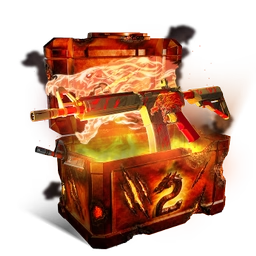
Few features in modern gaming have captured the imagination—and the economy—quite like the weapon case in Counter-Strike: Global Offensive (now succeeding as Counter-Strike 2). What started as a cosmetic addition in 2013 has evolved into a multi-million-dollar virtual economy, complete with digital stock markets, high-stakes openings, and rare collector items.
For newcomers and returning veterans alike, understanding how CS:GO cases work is essential for anyone looking to navigate the game’s vibrant marketplace. This comprehensive guide explores the mechanics of opening cases, the odds of winning rare items, and smart strategies for managing a virtual inventory.
What is a CS:GO Case?
A CS:GO case is a virtual container holding weapon skins, gloves, or knives. To open a case, players need two things:
- The Case: Earned as random drops through weekly gameplay or purchased on the Steam Community Market.
- A Key: Purchased directly from the in-game store for a flat rate of £2.50 GBP.
Once a key is used on a case, a roulette-style animation spins through various items before landing on the player’s reward. The item is then added directly to the player’s Steam Inventory.
The Mathematics of Case Opening: Understanding the Odds
While the thrill of the spin is exciting, mathematics dictates that opening cases is a form of digital gambling. Valve Corporation publicly discloses the rarity tiers, but the exact drop rates for individual items have been reverse-engineered by the community through massive data sets.
CS:GO Item Rarity Tiers and Estimated Odds
| Rarity Tier | Color | Approximate Drop Rate | Description |
|---|---|---|---|
| Consumer Grade | White | N/A (Found in drops) | Common, base-tier items. |
| Industrial Grade | Light Blue | ~79.92% | Slightly less common than consumer items. |
| Mil-Spec | Blue | ~79.92% | The standard base drop inside weapon cases. |
| Restricted | Purple | ~15.98% | Uncommon drops with distinctive designs. |
| Classified | Pink | ~3.2% | Rare items featuring complex artwork. |
| Covert | Red | ~0.64% | Extremely rare, highly coveted flagship weapon skins. |
| Special (Exceedingly Rare) | Gold | ~0.26% | Knives, gloves, or ultra-rare specialty items. |
Wear Ratings (Float Values)
Beyond simply landing on a specific skin, every item generated from a case is assigned a Float Value between 0.00 and 1.00. This float value determines the physical wear and tear on the weapon, categorized into five distinct conditions:
- Factory New (FN):
0.00 – 0.07 - Minimal Wear (MW):
0.07 – 0.15 - Field-Tested (FT):
0.15 – 0.38 - Well-Worn (WW):
0.38 – 0.45 - Battle-Scarred (BS):
0.45 – 1.00
Certain skins look pristine even at higher float values, while others degrade drastically, significantly impacting their market value.
The Economics of the Case Market
The economy surrounding CS:GO cases operates much like a real-world stock market. Prices are governed purely by supply and demand.
Factors That Influence Case Prices:
- Drop Pool Status (Active vs. Rare): Cases currently dropping actively in-game are abundant and cheap (usually under £0.10). Once moved to the “rare drop pool,” their supply dwindles, causing prices to rise over time.
- Contained Items: A case containing a universally loved knife finish or a popular Covert rifle skin will always command a higher price.
- Streamer Influence: When professional players or famous content creators open thousands of dollars worth of a specific case, temporary spikes in demand often occur.
Smart Strategies for CS:GO Cases
If you plan to interact with the CS:GO case system, approaching it with a clear strategy can save you from substantial financial loss.
- Treat It as Entertainment, Not Investment: Mathematically, the house always wins. Opening cases yields an average return of roughly 20% to 40% of the money spent. Never spend money you cannot afford to lose.
- Buy Singles Instead of Opening: If you want a specific skin (e.g., an AK-47 | Redline), purchasing it directly from the Steam Community Market or a trusted third-party marketplace is almost always cheaper than opening cases hoping to pull it.
- Hold Onto Weekly Drops: If you receive active-duty cases as weekly gameplay drops, store them in your inventory. Over time, as cases move out of the active drop pool, their value tends to appreciate.
- Diversify Your Marketplace Use: Familiarize yourself with reputable third-party trading sites if you wish to cash out or trade items, but always remain vigilant against phishing scams and API scams.
Frequently Asked Questions (FAQ)
Can I get banned for trading CS:GO cases and skins?
No, trading cases, keys, and skins through official Steam systems or authorized peer-to-peer marketplaces is fully permitted. However, engaging in real-money trade scams, gambling on unauthorized third-party sites using your Steam account, or violating the Steam Subscriber Agreement can result in trade bans or account suspension.
Do older cases have better items?
Not necessarily “better,” but older cases often contain discontinued collections or classic knife finishes (like Karambits or M9 Bayonets) that are no longer obtainable in newer cases. This scarcity drives up the price of both the cases and their contents.
What is a StatTrak™ item?
StatTrak™ is a special feature that can be randomly applied to weapon skin drops from cases. Weapons with this feature feature a physical LED counter on the body that tracks the exact number of kills the owner makes with that specific weapon against human opponents. StatTrak™ variants are significantly more valuable than their standard counterparts.
Are cases region-locked?
Due to local gambling laws, players in certain countries (such as France, the Netherlands, and Belgium) face restrictions regarding case openings. In some regions, players must use an X-Ray scanner to view the contents of a case before purchasing a key, effectively removing the element of random chance.
CS:GO cases remain an iconic pillar of Valve’s tactical shooter ecosystem. Whether you enjoy the adrenaline rush of opening a rare gold item or prefer analyzing market trends to build a curated inventory, understanding the mechanics behind cases ensures a smarter, more rewarding experience. Approach the marketplace with caution, set a budget, and enjoy collecting the digital art that makes the Counter-Strike community unique.
Browse CS2 skin designs and learn how a CSGO Case shapes your inventory, from coveted rare drops to colorful weapon finishes.